Home / The System

The Eric and Wendy Schmidt Observatory System

Four observatories expanding access to the cosmos

Combining rapid development cycles with open data and shared tools, so researchers everywhere can engage in frontier astrophysics.

You can read more on the Schmidt Observatory System here.
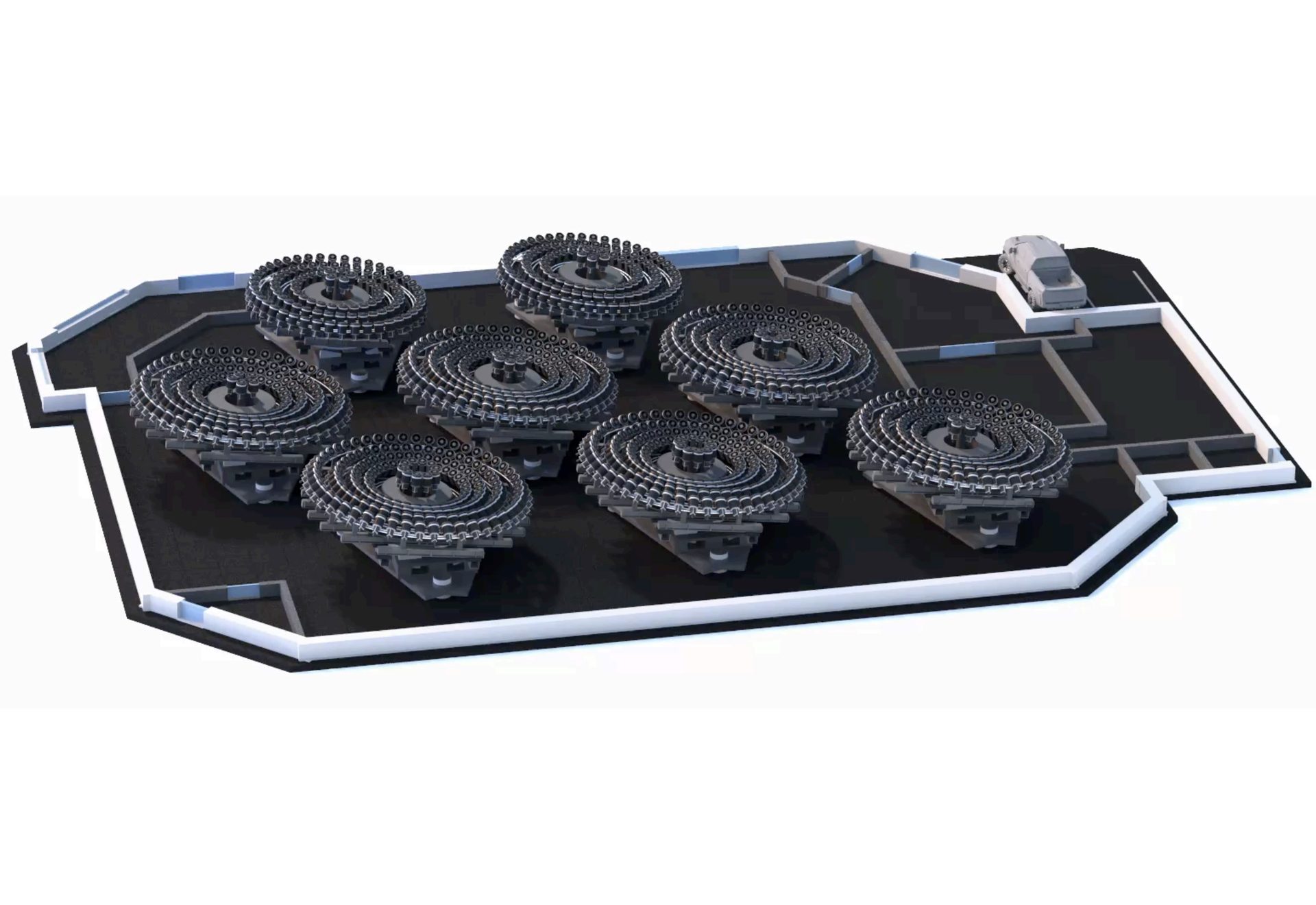
Argus Array

Optical · Ground-based · Continental US

Argus Array

A ground-based optical survey facility imaging the entire visible sky on a 60-second cadence — built for the discovery of transients and variables, as well as deep imaging.

1,212Small-aperture telescopes
8,000 deg²Instantaneous field of view
b + rTwo filters for color information
8-m classEquivalent collecting area
107 - 108Public alerts every night
Seconds - yearsSensitive to virtually all timescales

University of North Carolina, Chapel Hill · argus.unc.edu
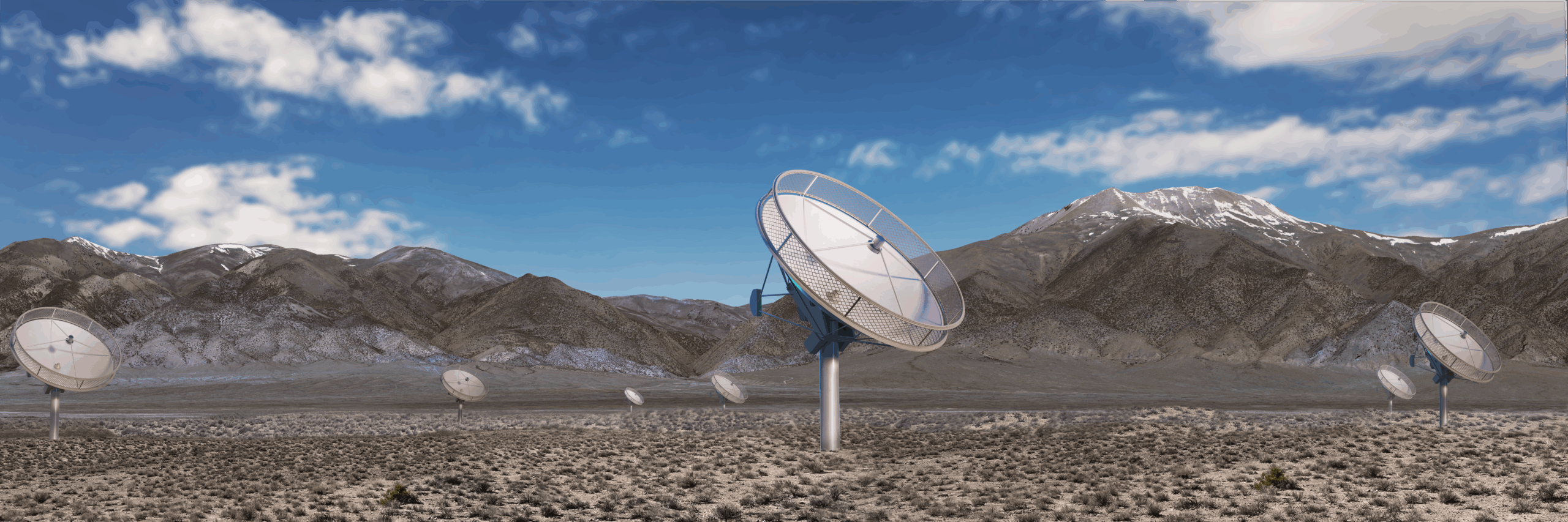
Deep Synoptic Array

Radio · Ground-based

Deep Synoptic Array

A radio array whose real-time "radio camera" images the whole visible sky (~31,000 deg²) across many epochs, with exceptional sensitivity.

1650Radio dishes in the array
10.6 deg²Field of view
0.7–2 GHzFull-polarisation band
~3″FWHM beam size
>100,000Fast radio bursts localized to 0.5"
1 billion+radio sources expected

California Institute of Technology · deepsynoptic.org
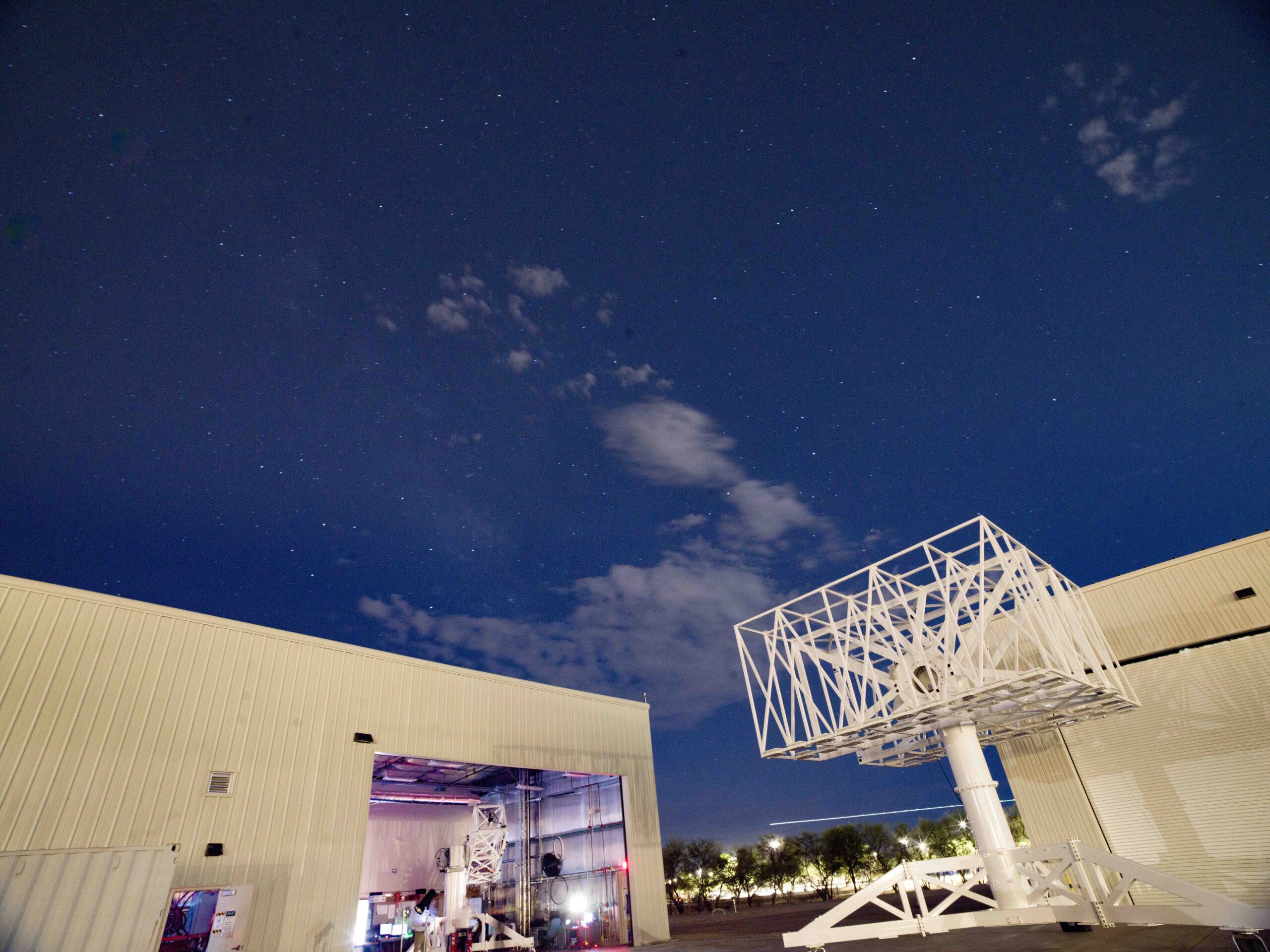
Large Fibre Array Spectroscopic Telescope

Optical-NIR · Ground-based

Large Fibre Array Spectroscopic Telescope

Light from an unphased array of small telescopes is fed through a fiber to optical and near-infrared spectrographs, delivering science-ready spectra with low latency.

76 cmUnit telescope size (20 per module)
~3.5m²Equivalent collecting area
R ≈ 1k–100kSpectral resolution range
Fiber size in arcsecFiber size
350–1,000 nmOptical arm coverage
~1–2 µmNear-infrared arm coverage

University of Arizona · astro.arizona.edu
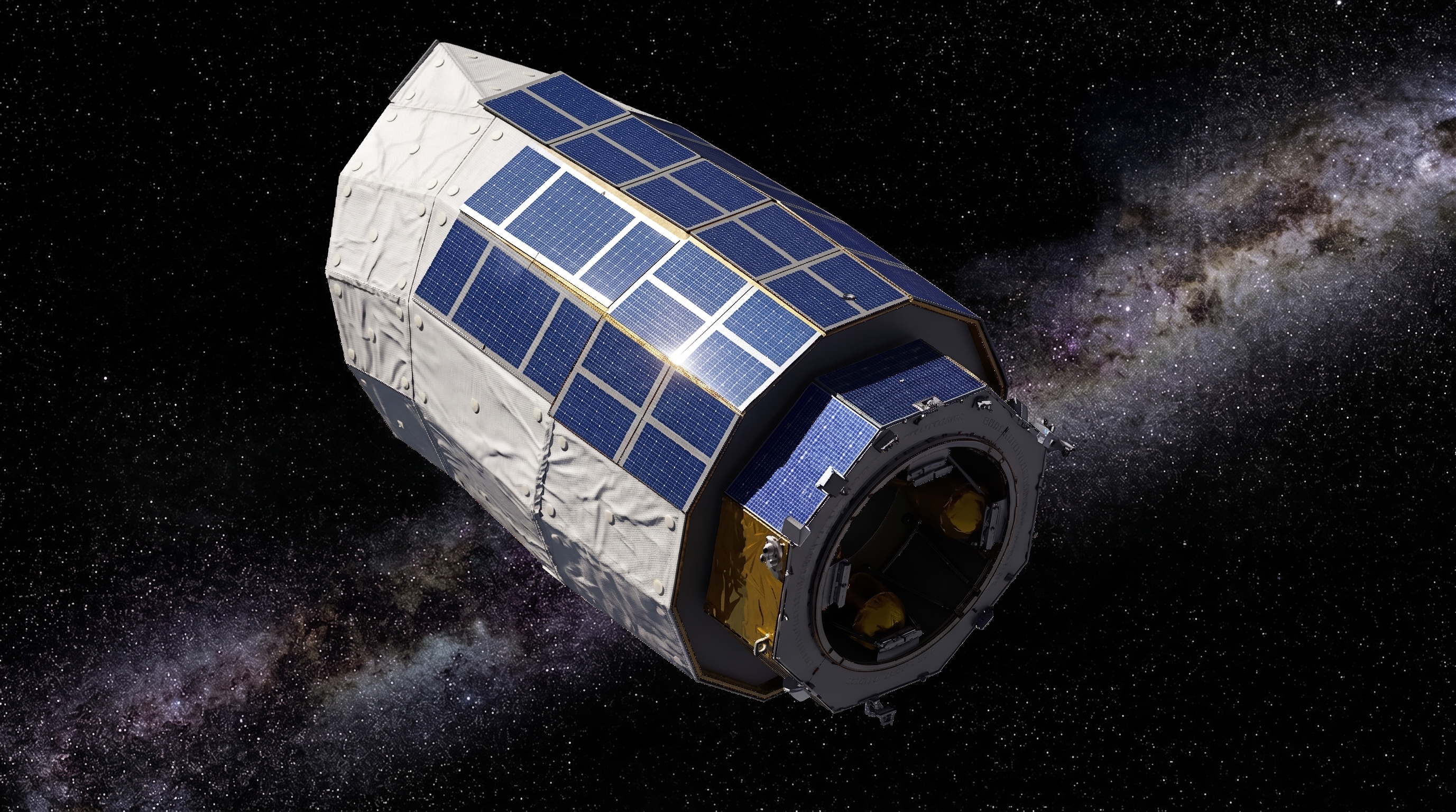
Lazuli Space Observatory

Optical-NIR · Space-based · 3:1 lunar resonant orbit

Lazuli Space Observatory

A 3-metre class space observatory capable of rapidly responding to the transient Universe through dynamic and flexible scheduling under an open-data philosophy.

3 mPrimary mirror, off-axis TMA design
< 4 hoursResponse latency to ToOs
>24,000 deg²Instantaneous field of regard
Widefield Context CameraDiffraction-limited image quality
IMX455 + HWK4123 sensors
ugriz + broad-band + narrow-band
Integral Field Spectrograph400-1700nm coverage, R~100-500
Narrow field (2.3"x4.6" @ 40 mas/pix)
Wide field (4.6"x8.8" @ 80 mas/pix)
ExtraSolar CoronagraphFocal plane vector vortex design
IWA <0.15", OWA >0.6"
Raw contrast ~10-8

Managed by Project Pearl with Schmidt Sciences, within The System portfolio. · Roy et al. 2026